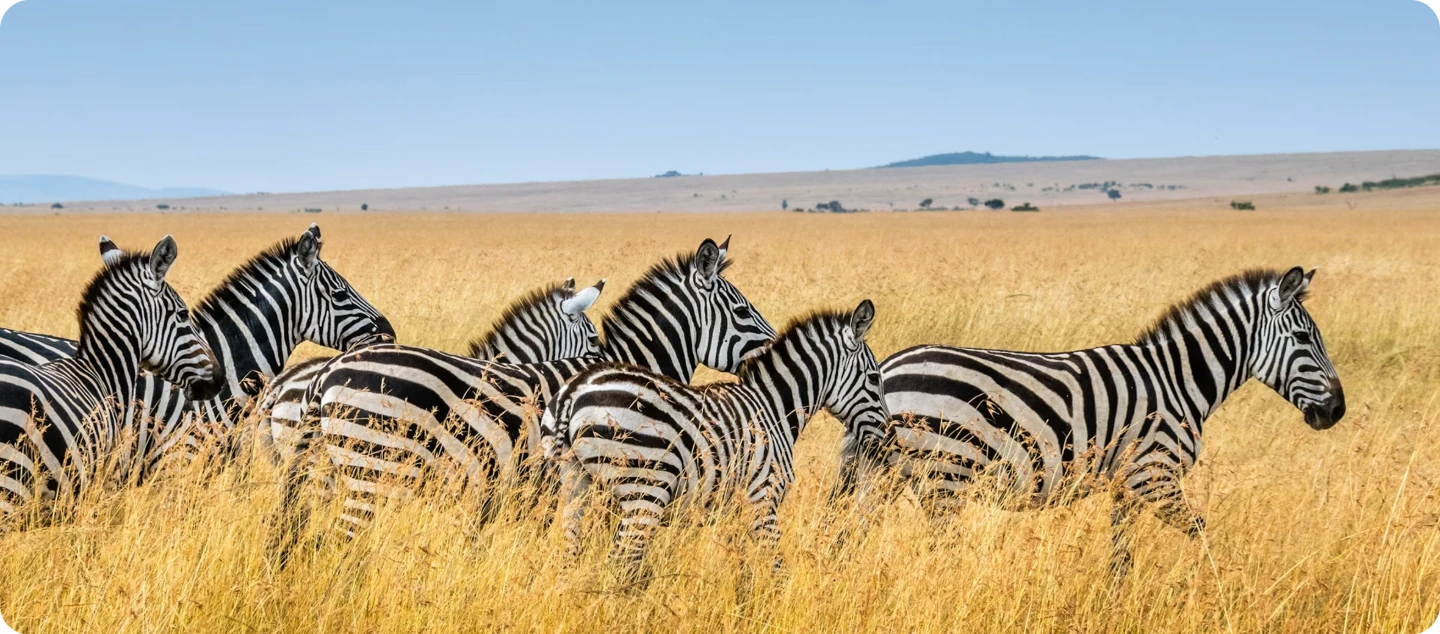
The best time to visit Ghana is during the dry season, from late November through March, when rainfall is lowest, wildlife viewing at Mole National Park is easiest, and most of the country’s cultural festivals take place. January is usually singled out as the single best month: the harmattan haze has cleared enough for comfortable travel, temperatures sit in a manageable 27 to 32 degrees Celsius (81 to 90 degrees Fahrenheit) range, and humidity along the coast drops from its rainy-season peak. If your trip depends on a specific festival, safari, or beach window, the month-by-month breakdown below will help you time it precisely.
- Ghana has two seasons, not four: a dry season (November to March) and a rainy season (April to October).
- December to February brings the harmattan, a dry Saharan wind that cools mornings but hazes the sky.
- Mole National Park wildlife viewing peaks in the dry season, when animals gather at shrinking water sources.
- The rainy season is not a reason to avoid Ghana entirely; June and July see a short dry spell along the coast known locally as the “small dry season.”
- Major cultural dates to plan around include Emancipation Day (August 1), Panafest (a biennial festival held in odd-numbered years around late July/August in Cape Coast and Elmina), and Homowo (a Ga harvest festival celebrated in Accra, usually August).
Jump to: Ghana’s two seasons | Month-by-month weather | The harmattan wind | Best time by activity | Festival calendar | FAQ
Ghana’s two seasons: dry and rainy
Ghana sits close to the equator, so temperatures stay warm year-round with far less seasonal swing than travelers from temperate climates expect. What actually changes is rainfall and humidity, not temperature. The country splits into two broad seasons:
- Dry season (November to March): Lower humidity, minimal rain, clearer skies for most of the period (excluding harmattan haze), and the most comfortable window for long travel days between Accra, Cape Coast, Kumasi, and the north.
- Rainy season (April to October): Two rainfall peaks, one in May and June and a second, usually heavier one in September and October, separated by a short, drier stretch in July and August along the coast.
The north of Ghana, around Mole National Park and Larabanga, follows a simpler single wet season from roughly May to October, with a long, pronounced dry season the rest of the year. This matters for itinerary planning: a trip that combines Accra, Cape Coast, and Mole should weigh northern conditions separately from coastal ones.
Ghana weather by month
| Month | Coastal conditions | Northern conditions (Mole area) | Good for |
|---|---|---|---|
| January | Dry, harmattan haze easing, 27-32C | Dry, dusty, warm days | Overall best month; safari, castles, coastal touring |
| February | Dry, warming up | Dry, hot, dust from harmattan tail-end | Safari, cultural touring before the heat peaks |
| March | Hot, first light rains possible | Hottest month, dry | Early booking window before rains build |
| April-May | Rain increasing, humid | Rains begin | Lush landscapes, fewer crowds |
| June-July | “Small dry season” on the coast, cooler | Wet, green, roads can be slow | Coastal touring, Panafest years (odd years) |
| August | Cooler, some rain, Emancipation Day season | Peak wet season | Heritage and cultural travel, Homowo festival in Accra |
| September-October | Heaviest coastal rain | Rains tapering | Lowest-traffic travel, best value |
| November-December | Rain stops, harmattan begins late Nov/Dec | Dry season returns | Wildlife starting to concentrate at water sources; holiday travel |
The harmattan wind: what it is and how to prepare
The harmattan is a dry, dust-laden trade wind that blows south from the Sahara Desert, typically from December through February. It brings cooler mornings and evenings, sometimes a genuinely chilly start to the day by West African standards, but it also fills the sky with a persistent haze that can reduce visibility and dry out skin, lips, and sinuses.
Travelers visiting during harmattan season should pack: a light moisturizer or shea butter (widely available and affordable in Ghana), lip balm, a mild saline nasal spray, and layers for cooler mornings that warm up quickly by midday. The haze rarely disrupts road travel, but it can affect long-distance visibility and, occasionally, domestic flight schedules.
Best time to visit Ghana by activity
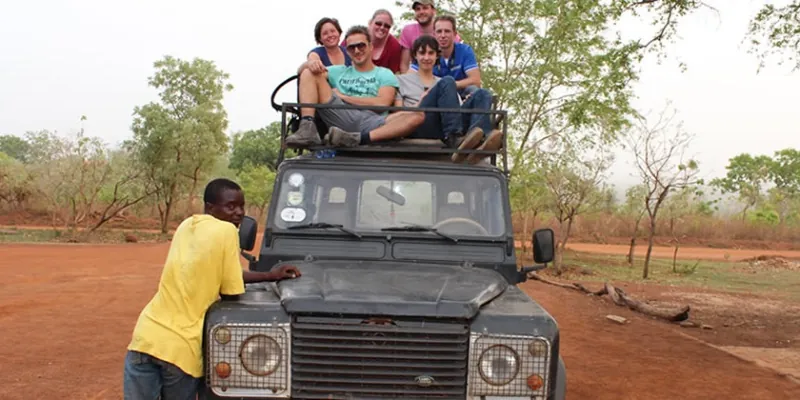
- Wildlife safari at Mole National Park: Best in the dry season (December to April), when vegetation thins and animals, including elephants, antelope, and baboons, gather around the park’s remaining water holes. This is the season built into Vialis Travel’s 4-Day Ghana Wildlife and Nature Expedition.
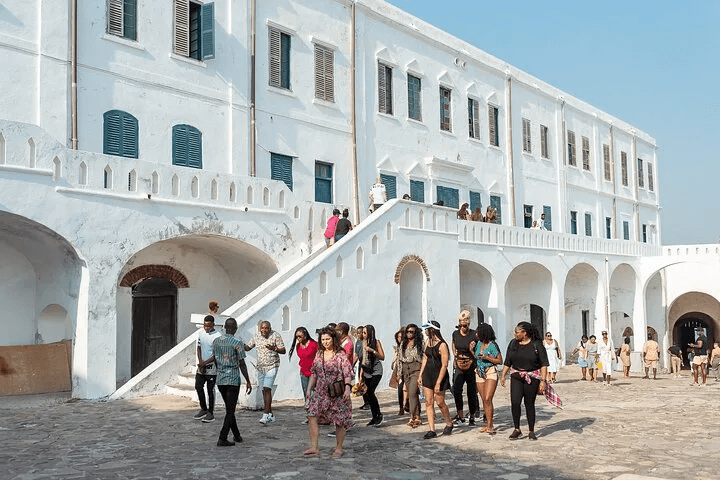
- Cape Coast and Elmina castle touring: Comfortable nearly year-round, since these are half-day guided visits rather than long outdoor treks. Dry season (November to March) still makes for more pleasant walking between sites.
- Kakum National Park canopy walkway: Best in the dry season when trails are less slippery; note that early morning visits, regardless of month, give the best chance of spotting forest birds and monkeys before midday heat.
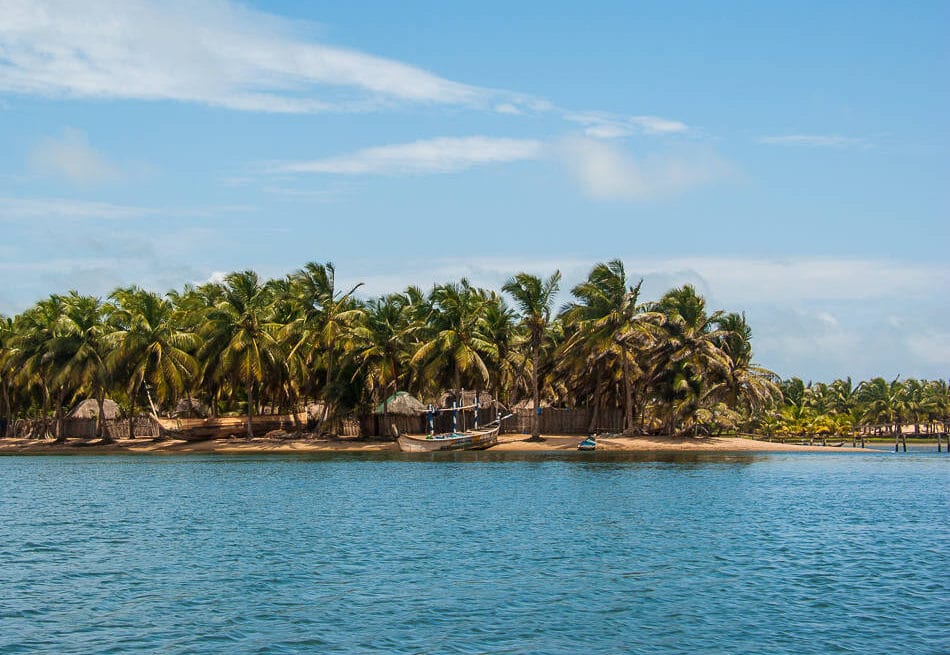
- Beach time on the coast (Busua, Cape Coast area): The “small dry season” in June and July is an underrated window, cooler than the March-April heat peak and drier than September-October.
- Heritage and Year of Return travel: Many diaspora travelers time trips around Emancipation Day (August 1) or Panafest, even though these fall in the rainy season, because the cultural programming outweighs the weather trade-off. See our Year of Return and Beyond the Return guide for how to plan around these dates.
Ghana’s festival calendar
| Festival | When | Where |
|---|---|---|
| Emancipation Day | August 1 each year | Cape Coast, Elmina, Assin Manso |
| Panafest (Pan-African Historical Theatre Festival) | Late July into August, held in odd-numbered years | Cape Coast and Elmina |
| Homowo | Typically August or September, dates vary by Ga clan calendar | Greater Accra (Ga communities) |
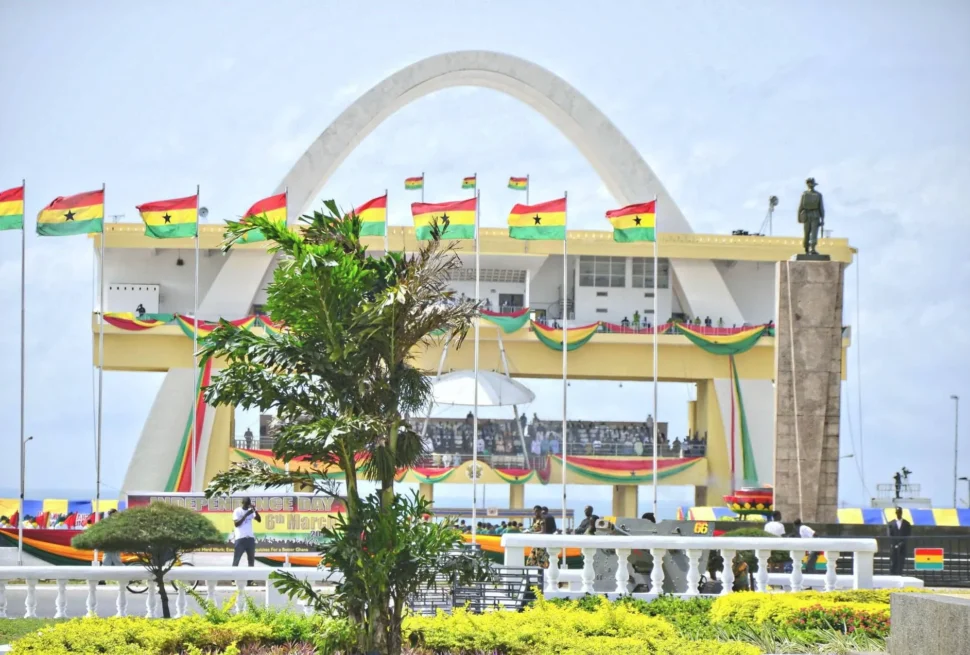
| Independence Day | March 6 | Nationwide, largest events in Accra |
Festival dates tied to lunar or clan calendars can shift year to year. Confirm exact dates directly with us at Vialis Travel before booking a trip built around a specific celebration.
Plan your Ghana trip around the right season
If your priority is wildlife and comfortable travel days, aim for December through March and look at our Ghana Wildlife and Nature Expedition or the longer Heart of Ghana 12-Day itinerary. If you are traveling for heritage or festival reasons in July or August, the 7-Day Ghana Beach, History and Nature trip pairs well with Emancipation Day and Panafest programming. Browse the full Ghana heritage tours lineup to compare options by season and length.
Frequently asked questions
Is January a good time to visit Ghana?
Yes. January is widely considered the best single month to visit Ghana. The harmattan haze has usually eased, rainfall is minimal, and temperatures across the coast and interior sit in a comfortable 27 to 32 degree Celsius range, making it ideal for combining safari, castle visits, and coastal touring in one trip.
What is the rainy season like in Ghana?
Ghana’s rainy season runs roughly April through October, with two rainfall peaks: one in May and June, and a heavier one in September and October. A short, drier window in June and July along the coast, sometimes called the “small dry season,” offers cooler temperatures without the heaviest downpours.
When is the best month for a Mole National Park safari?
The dry season, from December through April, gives the best wildlife viewing at Mole National Park. As water sources shrink during these months, elephants and other animals concentrate around the remaining watering holes, making sightings more reliable.
Does harmattan season disrupt travel in Ghana?
Rarely for road travel. The harmattan brings a dusty haze and drier air from December through February, and it can occasionally affect flight visibility, but ground itineraries between Accra, Cape Coast, Kumasi, and the north generally run as scheduled.