Ghana’s Year of Return was a single commemorative year, 2019, marking 400 years since the first recorded arrival of enslaved Africans in Jamestown, Virginia. It has since grown into Beyond the Return, a ten-year program running through 2030 that invites members of the African diaspora to visit, reconnect with, and invest in Ghana on an ongoing basis, not just during a single anniversary year. If you are planning a heritage trip to Ghana in 2026, this guide covers what Beyond the Return actually offers travelers today, which sites carry the most historical weight, and how to build those experiences into a realistic itinerary.
- Year of Return (2019) has evolved into Beyond the Return, a ten-year initiative (2021-2030) built around five pillars: visiting Ghana, celebrating Ghanaian culture, investing in Ghana, diaspora pathways including citizenship, and heritage pilgrimage infrastructure.
- Ghana has granted citizenship to diaspora members in past ceremonies, but as of early 2026 the government paused new citizenship-pathway applications to redesign the process, so heritage travelers should treat citizenship as a longer-term goal, not a same-trip guarantee.
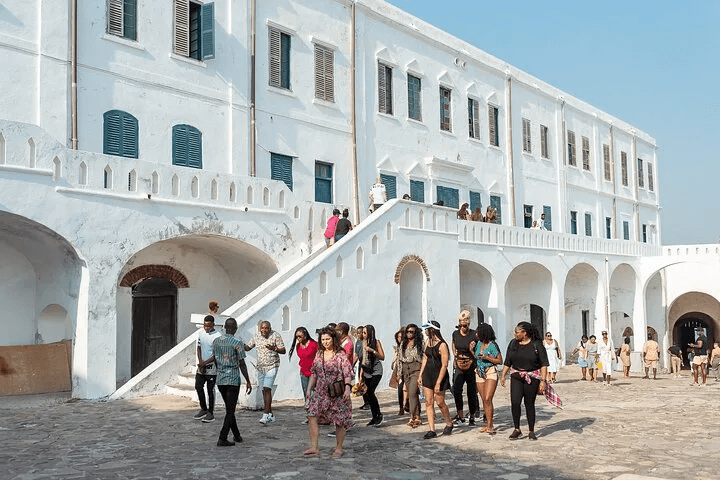
- The core heritage sites, Cape Coast Castle, Elmina Castle, Assin Manso, and the Door of No Return, can be visited comfortably in a single day from Cape Coast.
- Emancipation Day (August 1) and the biennial Panafest festival (odd-numbered years) are the two anchor dates for organized heritage programming.
Jump to: What is Beyond the Return | Citizenship and diaspora pathways | Key heritage sites | Planning your heritage trip | FAQ
What is Beyond the Return?
Beyond the Return is Ghana’s successor program to the 2019 Year of Return, designed to turn a single symbolic year into an ongoing relationship between Ghana and the global African diaspora. The program is organized around five pillars:
- Visiting and experiencing Ghana: Tourism infrastructure, tour operators, and heritage sites positioned for diaspora travelers specifically, not only general tourism.
- Celebrating Ghana through culture, arts, and festivals: Panafest, Emancipation Day, and a growing calendar of diaspora-focused cultural events.
- Investing in Ghana: Business and real estate pathways for diaspora members who want a longer-term stake in the country.
- Diaspora pathways: Citizenship, residence permits, and Right of Abode status for eligible diaspora applicants.
- Afrocentric heritage and pilgrimage infrastructure: Ongoing investment in the castles, memorials, and museums that anchor a heritage trip.
Unlike the single-year 2019 campaign, Beyond the Return runs through 2030, which means there is no single “right year” to travel. Trips built around Emancipation Day or Panafest simply layer extra cultural programming on top of a heritage itinerary that works well any time in the dry season (see our best time to visit Ghana guide for the seasonal breakdown).
Citizenship and diaspora pathways: what to expect in 2026
Ghana has run diaspora citizenship ceremonies in recent years, including a March 2026 ceremony welcoming 150 new citizens from the historic African diaspora. At the same time, in February 2026 Ghana’s Ministry of the Interior and Diaspora Affairs Office paused new applications to the citizenship pathway while it redesigns the process to be, in the government’s words, more accessible.
The practical takeaway for travelers: if citizenship or a Right of Abode application is part of your longer-term goal, treat it as a separate, multi-step process from your trip, not something to resolve during a two-week visit. Most heritage travelers instead use their first (or next) trip to visit the sites, meet with local genealogy and heritage organizations, and gather the information needed to pursue a pathway application once it reopens. We recommend confirming the current application status directly with the Ghana Diaspora Affairs Office or a Ghanaian immigration attorney before making travel plans contingent on citizenship timing.
The key heritage sites, at a glance
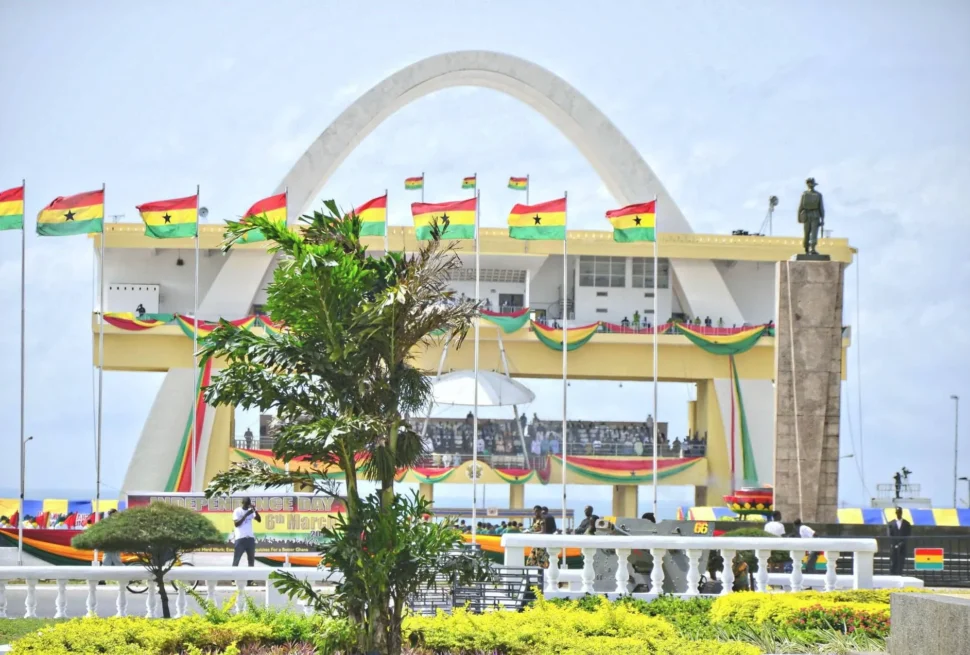
Cape Coast Castle, Elmina Castle, the Door of No Return, and Assin Manso form the core heritage circuit near Cape Coast, alongside Kwame Nkrumah Memorial Park in Accra for post-colonial context. We cover what each site means and why it matters in our companion article, Ghana Is Calling You Home: Slave Castles, the Door of No Return, and Why This Moment in History Matters. This guide focuses on the Beyond the Return program itself and how to plan a trip around it; that article focuses on the sites themselves.
Planning a heritage-focused Ghana trip
Most heritage travelers pair Accra (arrival, Nkrumah Memorial, markets) with two to three nights in Cape Coast (Cape Coast Castle, Elmina Castle, Assin Manso, and usually a stop at Kakum National Park’s canopy walkway). Our 7-Day Ghana Beach, History and Nature trip is built around exactly this pairing, and the longer Heart of Ghana 12-Day itinerary adds Kumasi’s Ashanti cultural sites and northern touring for travelers who want the fuller national story alongside the coastal heritage sites. If you are timing your trip to Emancipation Day or Panafest, book several months ahead: accommodation in Cape Coast fills quickly around both dates.
Frequently asked questions
Is the Year of Return still happening in 2026?
The Year of Return itself was a single commemorative year in 2019. It has since become Beyond the Return, a ten-year program (2021-2030) that keeps Ghana’s diaspora tourism, cultural, and citizenship initiatives running year-round rather than tying them to one anniversary year.
Can I get Ghanaian citizenship through Beyond the Return?
Ghana has granted citizenship to diaspora members through prior ceremonies, including 150 new citizens in March 2026. However, in February 2026 the government paused new citizenship-pathway applications to redesign the process. Confirm the current application status with the Ghana Diaspora Affairs Office or an immigration attorney before planning a trip around citizenship timing.
What is Panafest?
Panafest, short for the Pan-African Historical Theatre Festival, is a biennial cultural festival held in odd-numbered years, typically in late July into August, centered on Cape Coast and Elmina. It combines theatre, music, and heritage programming with visits to the region’s historic castles.
How many days should I plan for a Ghana heritage trip?
Most heritage travelers need a minimum of 5 to 7 days to comfortably cover Accra and Cape Coast without rushing. Travelers who want to add Kumasi and the Ashanti heartland, or northern Ghana, should plan for 10 to 12 days. See our Ghana itinerary planning guide for a full day-by-day breakdown.