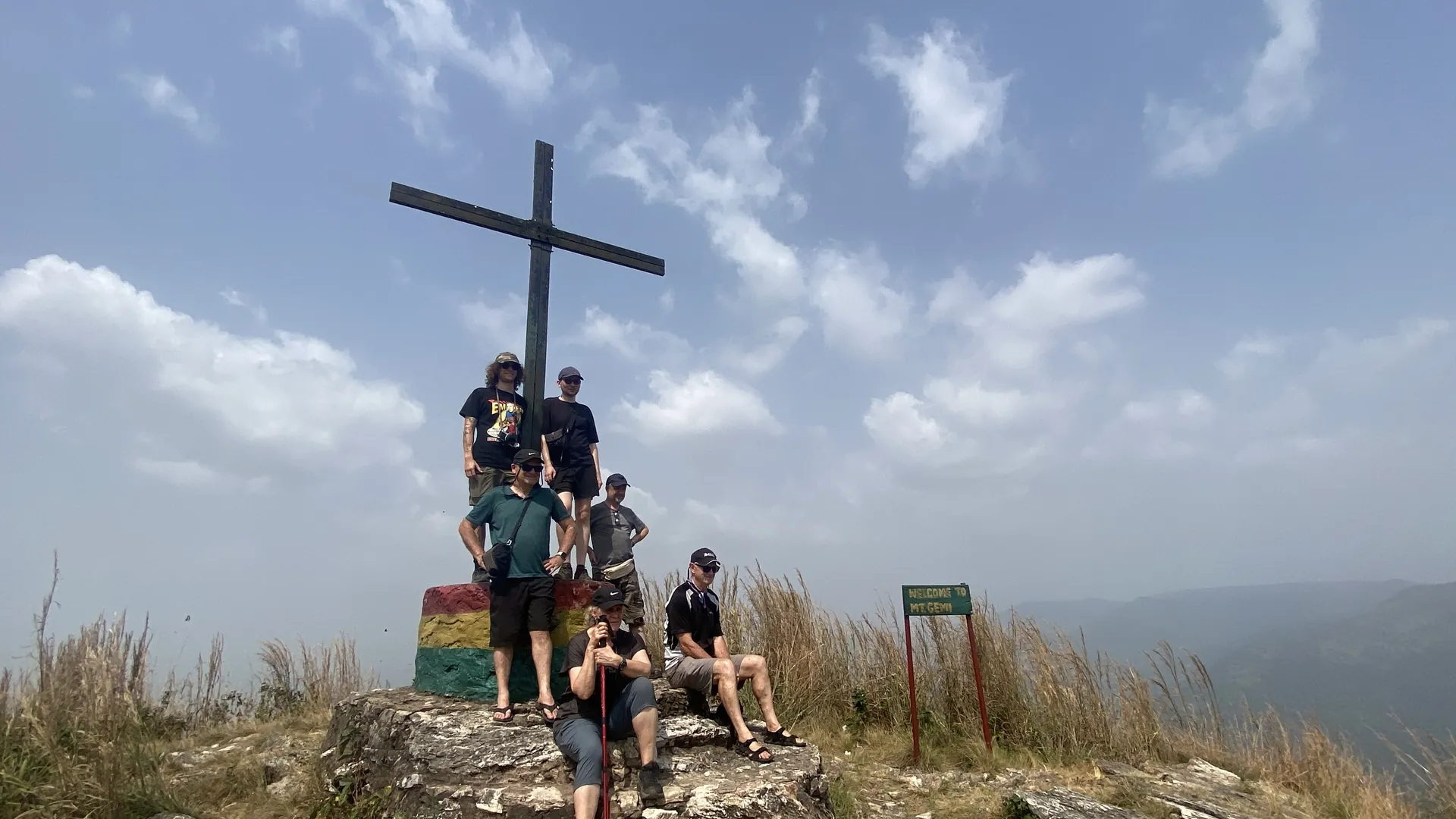
A small-group guided tour is the better choice for most first-time visitors to Ghana, Benin, or Togo, mainly because it removes the hardest parts of West Africa travel logistics: vetted drivers for long inter-regional road trips, local-language negotiation at sites and markets, and pre-arranged accommodation in towns where booking platforms have limited coverage. Solo travel is entirely possible and rewarding for experienced independent travelers, but it shifts all of that planning and risk management onto you personally. This guide compares both approaches directly on cost, safety, flexibility, and depth of experience.
- Group tours bundle vetted transport, accommodation, and guiding into one price, which typically reduces total logistics risk more than it reduces total cost.
- Solo travel offers more schedule flexibility and can be less expensive for travelers comfortable arranging local transport and accommodation themselves.
- Guided group tours meaningfully reduce after-dark road travel, one of the specific risks named in official Ghana travel advisories.
- A hybrid approach, a guided tour for the core itinerary plus independent days before or after, is common among repeat West Africa travelers.
Jump to: Side-by-side comparison | Advantages of group tours | Advantages of solo travel | Cost comparison | The hybrid approach | FAQ
Group tours vs solo travel: side-by-side
| Factor | Small-group guided tour | Solo travel |
|---|---|---|
| Transport safety | Vetted driver, daytime road-travel scheduling built in | You arrange and vet every transfer yourself |
| Language and negotiation | Local guide handles this throughout | You navigate local languages and market negotiation directly |
| Schedule flexibility | Fixed itinerary with some free time | Fully flexible, change plans daily |
| Cost predictability | One upfront price covers transport, guiding, most accommodation | Variable; can be cheaper or more expensive depending on choices |
| Local access and context | Guides provide historical and cultural context, especially at heritage sites | Requires independent research or hiring local guides ad hoc |
| Best suited to | First-time Africa travelers, heritage-focused trips, travelers prioritizing safety logistics | Experienced independent travelers with flexible time and strong risk tolerance |
Advantages of group tours in West Africa
- Vetted transport: A trusted driver and vehicle handle the longer inter-regional legs (Accra to Cape Coast, Cape Coast to Kumasi, Kumasi to Mole), the exact stretches where road-travel risk is highest for unfamiliar independent travelers.
- Local guiding and context: A knowledgeable guide turns a visit to Cape Coast Castle or the Ouidah Voodoo Festival from a walk-through into a genuinely informative experience, particularly for sites with complex, difficult history.
- Reduced after-dark exposure: Itineraries are built to minimize night driving and unplanned stops, directly addressing the risk factors named in official Ghana travel advisories.
- Pre-arranged, vetted accommodation: Especially valuable outside major cities, where online booking platforms have limited or unreliable coverage.
- Built-in community: Traveling with a small group of like-minded travelers, common among diaspora and heritage travelers specifically, adds a social dimension many first-time visitors value.
Advantages of solo travel
- Full schedule control: Stay longer in a place you love, skip something that does not interest you, or change your route entirely.
- Potential cost savings: Independent travelers comfortable with local transport (tro-tros, shared taxis) and budget accommodation can often travel for less than a fully guided package.
- Deeper improvised local interaction: Some travelers find that navigating markets, transport, and conversations independently creates a different, sometimes richer, kind of connection with a place.
- No fixed group pace: You are never waiting on or rushing to match a group’s schedule.
Solo travel works best for experienced independent travelers who have already built comfort with unfamiliar transport systems, language barriers, and ad hoc problem-solving in other destinations, not necessarily as a first international trip.
Cost comparison: what you actually get
A guided multi-day Ghana trip typically runs from roughly 1,500 US dollars for a shorter 3 to 4 day itinerary up to 5,000 to 6,000 US dollars for a comprehensive 12-day trip, a range reflected across Vialis Travel’s own Ghana tour lineup. That price generally includes ground transport, guiding, most accommodation, and a pre-planned itinerary, all costs an independent traveler would otherwise price out and arrange individually. Independent travel can come in lower for budget-conscious travelers willing to use local transport and lower-cost accommodation, but it rarely includes the same level of guiding, historical context, or safety-net logistics unless you separately hire local guides at each stop.
The hybrid approach
Many repeat West Africa travelers choose a hybrid model: a guided tour for the core itinerary (the heritage sites, the safari, the longer inter-regional transfers) bundled with a few independent days in Accra or a coastal town before or after. This captures the safety and context benefits of a guided tour for the highest-risk logistics while preserving some independent time. Ask us about extending any Vialis Travel itinerary with independent days at the front or back end.
Questions to ask before you decide
A few honest questions help clarify which approach fits your trip: Have you traveled independently in a country where you do not speak the dominant local languages before? Are you comfortable arranging and vetting local transport on the ground rather than in advance online? Do you want deep historical and cultural context at sites like Cape Coast Castle or the Ouidah Voodoo Festival, or are you comfortable researching that yourself? Is your trip built around a specific date, like Emancipation Day, Panafest, or the Benin Voodoo Festival, where accommodation and access are tightest and benefit most from advance local arrangements? Travelers who answer “no” to comfort with independent logistics, or whose trip centers on a specific cultural event, tend to get the most value from a guided small-group tour.
Frequently asked questions
Is it safe to travel to Ghana alone?
Solo travel to Ghana is not inherently dangerous and is done regularly, but it places all transport vetting, route planning, and after-dark safety decisions on you individually rather than a local operator. See our full Ghana safety guide for the specific risk factors named in current travel advisories.
How much does a Ghana group tour cost?
Vialis Travel’s Ghana trips range from roughly 1,500 US dollars for a focused 3 to 4 day safari to 5,000 to 6,000 US dollars for a comprehensive 12-day itinerary covering the coast, Kumasi, and the north. Pricing generally includes ground transport, guiding, and most accommodation.
What are the main benefits of a group tour in West Africa?
The main benefits are vetted transport for long inter-regional road trips, local guiding and historical context at heritage sites, reduced after-dark travel exposure, and pre-arranged accommodation in areas where independent booking coverage is limited.
Can I combine a group tour with independent travel?
Yes. A common hybrid approach uses a guided tour for the core itinerary and adds independent days at the start or end of the trip. Contact us to discuss extending any of our Ghana or Benin itineraries this way.